Oil On Their Hands
Climate Resilience
•
8m 38s
For almost half a century, Quechua, Achuar, and Kichwa communities in Northern Peruvian have suffered extreme negative environmental, health, cultural, social, and economic impacts as a result of the operations of the oil companies, Occidental Petroleum (1971-2000) and subsequently Pluspetrol (2000-2015).
Their pipelines in the Peruvian Amazon have collapsed and degraded, leaking oil and heavy metals into the land. There are more than 1,963 contamination sites. Communities are now not only fighting to protect the earth but also their health as hundreds are sick from contaminated water and food.
In 2020, indigenous leaders take their complaint to the Netherlands, where PlusPetrol transferred its headquarters in 2000. Research into its corporate structure suggests it did so to support its broader effort to avoid paying taxes in the countries where it operates.
Pluspetrol has failed to undertake adequate environmental and human rights due diligence. The complaint presented to the OECD (Organisation for Economic Co-operation and Development) in March 2020 alleges that Pluspetrol has also failed to respect several human and indigenous rights of the local population related to land, self-determination, and water and food. “We have come to the Netherlands seeking justice,” said Aurelio Chino, president of FEDIQUEP, “We hope that the OECD and the Dutch government can convince Pluspetrol to take responsibility for the terrible harm the oil industry has done to our peoples.”
This is their story.
Directo: Jaye Renold
2020 | 8 min
Peru
Languages: Spanish, English
Subtitles: English
Up Next in Climate Resilience
-
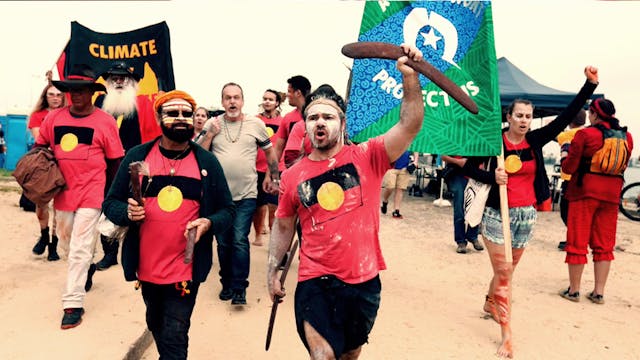
Break Free Newcastle
On the day the 2016 Australian election was called more than 2,000 people shut down the world’s largest coal port for a day. Kayakers blocked the Newcastle harbour entrance while others blocked a critical rail crossing. These protests were part of a global movement of people standing up to say no...
-
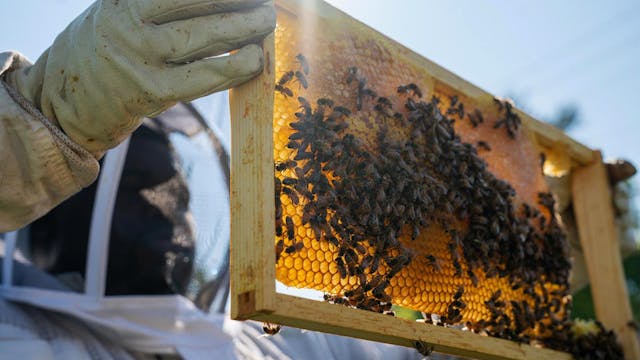
Detroit Hives
Detroit Hives follows Tim Paule and Nicole Lindsey, a young couple from East Detroit, who are working hard to bring diversity to the field of beekeeping and create opportunities for young Detroit natives to overcome adversity. It is estimated that Detroit has with well over 90,000 empty housing l...
-
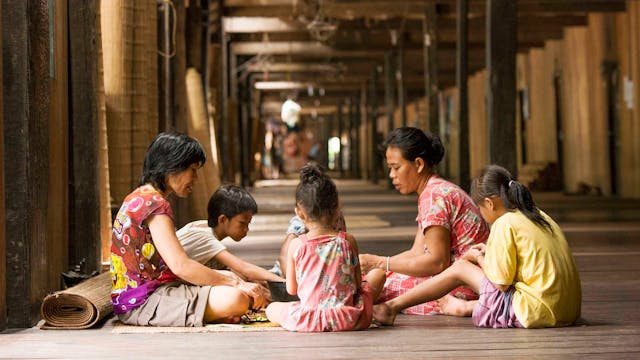
Hope
The indigenous people of Sungai Utik, a Dayak Iban community in West Kalimantan, Indonesia, have maintained a strong traditional connection to their forests despite continuous pressure from logging and palm oil companies intent on taking their land. Their forests remain intact and their tradition...