Seeding Biosocioeconomy
Latin America Spotlight
•
10m
What if our way of life could connect with a thriving nature, rather than destroying its richness and diversity? This is what socio-bioeconomy proposes and is turning into a reality on the ground. This model connects the traditional knowledge of communities about the best ways to use, restore, and protect resources, with the creation of employment and exploration of products that come from nature but do not exploit it. If socio-bioeconomy was more broadly implemented in Brazil, for example, it could actually restore more than 24 million hectares of forest and boost the Amazon’s GDP by 40 billion reais annually.
But what does socio-bioeconomy look like on the ground? This is what we explored in the film by Nature4Climate and If Not Us Then Who, in collaboration with the Articulation of Indigenous Peoples of Brazil, filmed in Oiapoque, Brasília, and São Paulo, showcasing the efforts of Indigenous and local communities like Uasei Açaí driving this change and the impact of the socio-bioeconomy as a scalable solution worldwide.
Director(s): Jaye Renold
2024 | 11 minutes
Brazil/US/UK
Language(s): Portuguese
Subtitles: English
Up Next in Latin America Spotlight
-
Uq'axik b'e (Atravesar Caminos)
Lucia, an indigenous K'iche woman from Guatemala, is forced into exile. After more than a decade of activism through art and community communication, Lucia leaves after all the violence she had to live through in her country and now living in several countries and her situation led her to want to...
-
We Exist in Memory
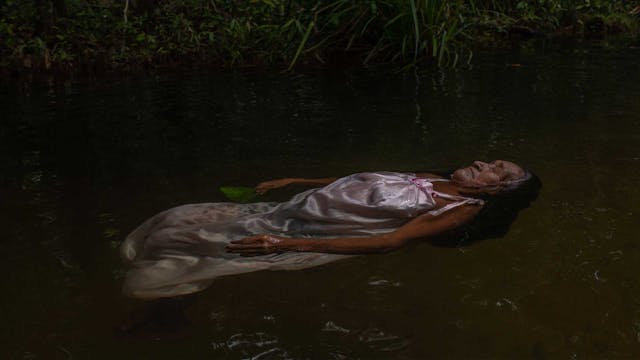
How do you rebuild home from nothing but memories? We are thrust us into the intimate conversations between Maria and her grandchild, Marucha: two Indigenous refugees living in displacement. To Maria, the Venezuelan delta is her home. To Marucha, refugee camps are all she knows. Through the rhyth...
-
Rain Harvests
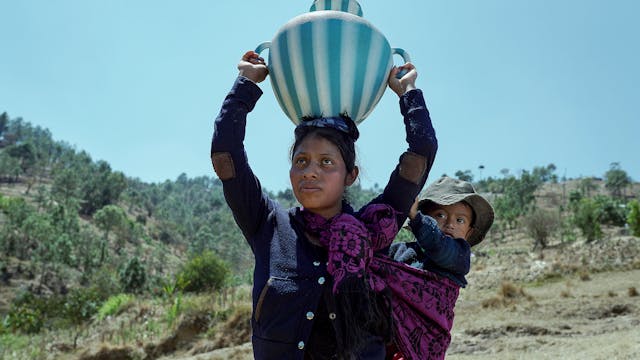
Rain Harvests, exposes the harsh reality of an indigenous community in Huehuetenango, Guatemala. Climate change has caused droughts, the rainy season comes only once a year and getting water has become a daily challenge. Without fail, the women of this community must make nearly 5 trips daily to ...