Seeding Biosocioeconomy
Material Worlds
•
10m
What if our way of life could connect with a thriving nature, rather than destroying its richness and diversity? This is what socio-bioeconomy proposes and is turning into a reality on the ground. This model connects the traditional knowledge of communities about the best ways to use, restore, and protect resources, with the creation of employment and exploration of products that come from nature but do not exploit it. If socio-bioeconomy was more broadly implemented in Brazil, for example, it could actually restore more than 24 million hectares of forest and boost the Amazon’s GDP by 40 billion reais annually.
But what does socio-bioeconomy look like on the ground? This is what we explored in the film by Nature4Climate and If Not Us Then Who, in collaboration with the Articulation of Indigenous Peoples of Brazil, filmed in Oiapoque, Brasília, and São Paulo, showcasing the efforts of Indigenous and local communities like Uasei Açaí driving this change and the impact of the socio-bioeconomy as a scalable solution worldwide.
Director(s): Jaye Renold
2024 | 11 minutes
Brazil/US/UK
Language(s): Portuguese
Subtitles: English
Up Next in Material Worlds
-
Colorful Souls
Colorful Souls spotlights Alma de Colores, a unique restaurant and store that predominantly employs individuals with disabilities, providing them with a sense of dignity and community through the opportunity to work. At the center of the narrative is Marta, a deaf cook at Alma de Colores. Through...
-
Brighter
What if you could pay for a young woman’s university education by providing her with a “gap year” job?
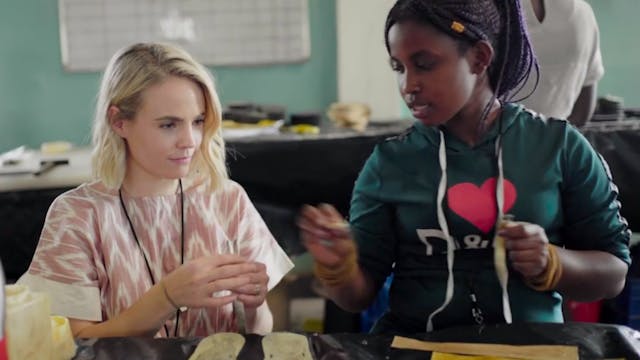
In Uganda, where few women are encouraged, or can afford, to attend university, Liz Forkin Bohannon decided to do something about it. She taught three young women to make strappy sandals which ...
-
Into Something Beautiful
What can a construction company do to transform personal brokenness and solve systemic injustice?
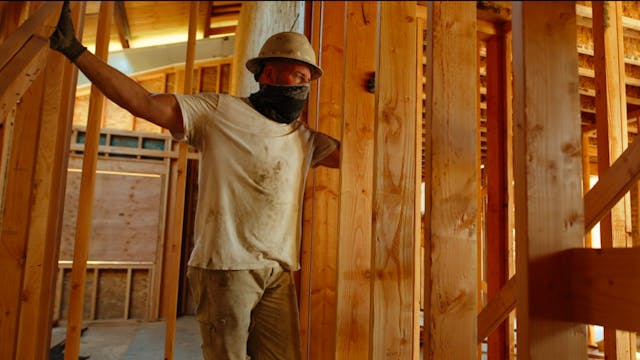
Amid their own personal and professional brokenness, Amy and Braden King discovered that most of the employees at their new construction company had a history of addiction, homelessness, and/or crim...